


THE PATIENTS YOU WANT ARE SEARCHING RIGHT NOW
WE MAKE SURE THEY
BRANDING
✦
WEBSITES
✦
SEO
✦
COACHING
✦
RETAINERS
✦
BRANDING ✦ WEBSITES ✦ SEO ✦ COACHING ✦ RETAINERS ✦
For therapists, psychiatric providers, and medical practices who want the right patients to find them and choose them, and want to stop guessing where the next one will come from.
I turn patients already searching into booked appointments by building your website, SEO, AEO, and every page around who you want to work with and how they search for help, in your Authentic voice
If what you have been told to do for your practice was going to fill it, it would have by now. The practice where the right people find you and book is built differently
I say this on almost every call… I could send 10,000 people to your website a week, but are those 10,000 people your ideal clients? I’d rather get ten people there, have six reach out, and have two actually book and become your patients, and that is the number I care about, not where you rank or how a reel did.
Nothing I do is built on trends or what went viral last week, because a strategy only works when it is built around you, your goals, what you want your practice to look like, and real market research on the person you want more of. I’ve done ideal client research for almost every niche, modality, and demographic a therapist can have, and for you that means I go find that person where they’re actually talking, pull the exact sentences they use for what’s going on and the questions they’re asking Google and ChatGPT, and then look at your data, your fee, your capacity, and where your inquiries are falling off before I decide what to build.

I hate selling to therapists, you get sold to so much, which is why I started this so you wouldn’t have to pay somebody every month to stay visible. I’m a therapist too, so nothing I build asks you to collect testimonials or do anything your ethics code says you can’t, and the plan is built around your practice instead of a framework I use on everyone.
Everything gets built on your research, in order, your brand, your site, your Google profile, your Psychology Today profile, and how you reply to an inquiry, all written in your voice and the words your ideal patient actually uses, with the search work inside the writing, so you show up when they ask Google or AI for help and read it thinking, “this therapist gets it.” I track every inquiry by where it came from and whether it booked, and I send you a short note each month with the page link so you can open it and see the work yourself. It’s all in your name, and my goal is really that you get rid of me.












It really depends on your goals, so here is how I decide what to recommend.
The first thing I want to know is what you are trying to get to, a full schedule, a higher fee, clinicians whose openings are filling, or a practice that makes money when you are not in the room. Then I look at your data, your capacity, and what you can actually spend before I say anything. The therapist with fifteen hours a week and the group owner with three clinicians to fill don’t need the same thing, so I build the plan to fit your practice and what it can carry right now, and if the smaller step is the right one, I will say so.
Every month a practice is being found by the wrong people, or not found at all, it is paying for that in sessions it did not book, and that number is almost always higher than the cost of fixing it. What you get on the other side of the work is a practice where your ideal patients find you on their own and are already sure it should be you before the first call, where you can raise your fee because the right people keep coming and you are no longer waiting on one referral source to send them, and where you know every month what is working and why, so marketing stops being something you do out of worry and becomes something your practice simply has. Someone who sits with patients the same way you do builds it, puts it in your name from day one, and you stay because it works. If you have read this far and thought, “She is describing my practice,” you already know the next step.
WEBSITE & BRANDING
For the therapist or practice owner whose website says what twenty other practices say.
Your brand voice, ideal patient research, and keywords come first, and we build your logo, colors, and every page from them, so the right person feels understood before they finish the first screen. You own the site, the domain, and every account from day one, and the pricing is on the page.
SEO & AI SEARCH
For practices that aren't showing up when their ideal patients search Google or ask ChatGPT.
I research the exact phrases people type, build your pages and Google Business Profile around those words, and set up tracking first so you can see each month which inquiries came from search and whether they booked. Scoped to your practice, with a short note from me each month you can read in two minutes.
COACHING & STRATEGY
Your Private Practice needs a plan before it needs a rebuild. So I sit down with you and we work out your positioning, your offers, and where your clients are actually going to come from.
PRACTICE AUDIT & STRATEGY
For practice owners ready to see where the money is actually going before spending another dollar on marketing.
Whether you are a solo therapist whose schedule is full and whose income does not reflect it, or a group, psychiatric practice, or clinic where the owner’s calendar is full and the clinicians’ are not, I audit the whole practice before anything gets rebuilt. Where patients are finding you, what happens after they reach out, what each clinician’s openings look like, what you are charging, and where the money coming in do’t match the hours going out. The plan comes out of that, and so does everything I build afterward.
MARKETING RETAINERS
Your Private Practice needs someone paying attention to it every month, not just at launch. So I run your content, your emails, and your visibility while you do the part only you can do.
Most practices launch a site, feel good about it for a few weeks, and then nothing moves for two years. Google notices, and so does anyone who lands on a blog where the newest post is from last spring.
Blogs, your Google profile, email, social, and ongoing SEO, all handled and reported on every month. Built around your practice, three month minimum.

& GET THE RESULTS YOU DESIRE
We’ll show you how…



I’M AMANDA SMITH
I'm a therapist. I understand the weight of the work, the guilt around money, the fear of being too visible, and the exhaustion of trying to market yourself in a way that doesn't feel like you. I also understand branding, strategy, SEO, and what it actually takes to get a practice found on Google, and now in AI search.
That combination is what The Passive Practice is built on. I have an incredible team behind me, but this isn't an agency where marketers learned a few things about therapy so they could sell to therapists. It's built around someone who has lived inside both worlds, and every brand we build runs through me.
When you work with us, your brand is never handed off to a contractor or run through a template. I'm actually in it with you, building something that is specific to who you are, what you believe, and where you are trying to go. That's why the work sounds like you, ranks for the searches your ideal clients are actually making, and brings in people who already trust you before they ever reach out.
MOST AGENCIES LEARNED ABOUT THERAPY. I LIVED IT.
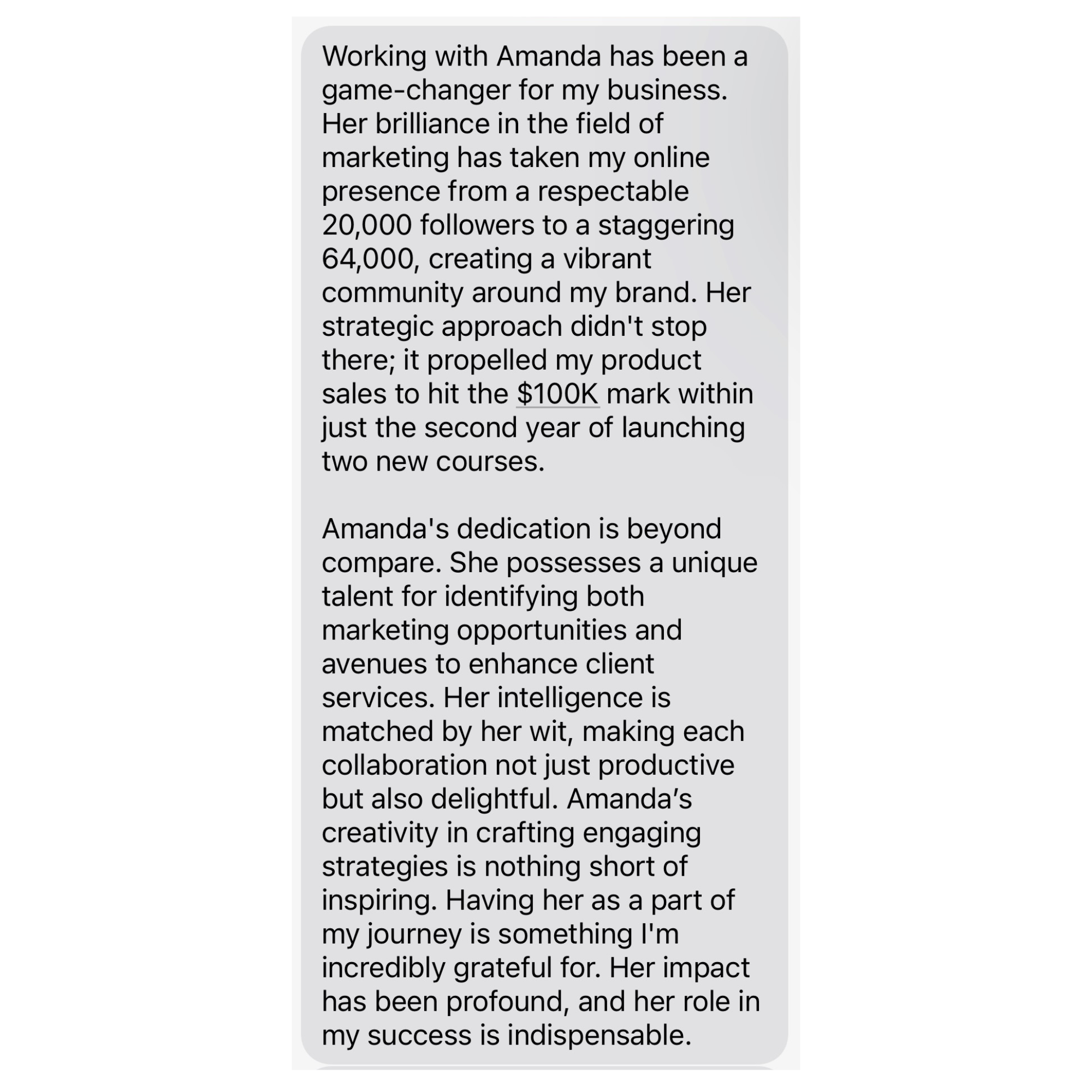
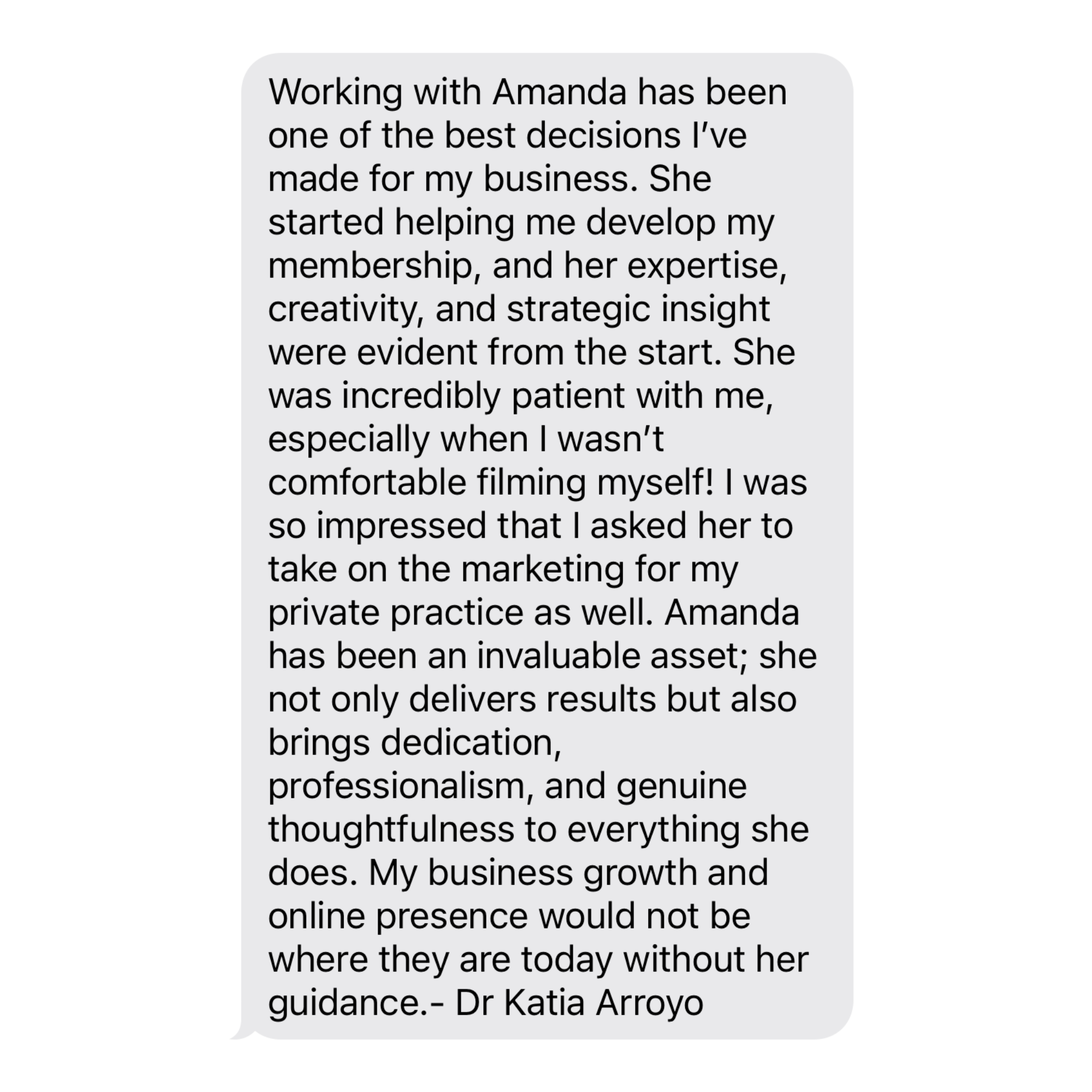
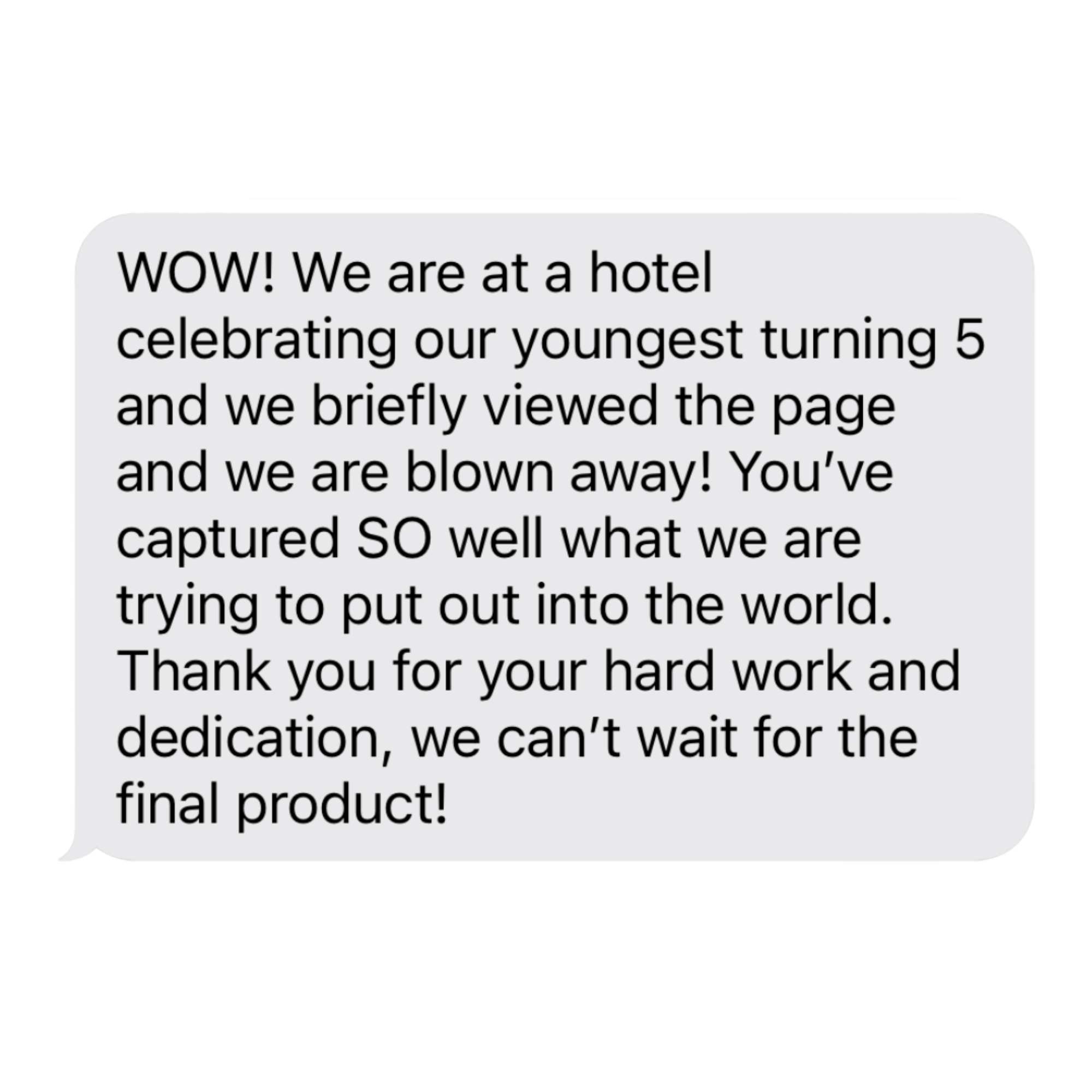
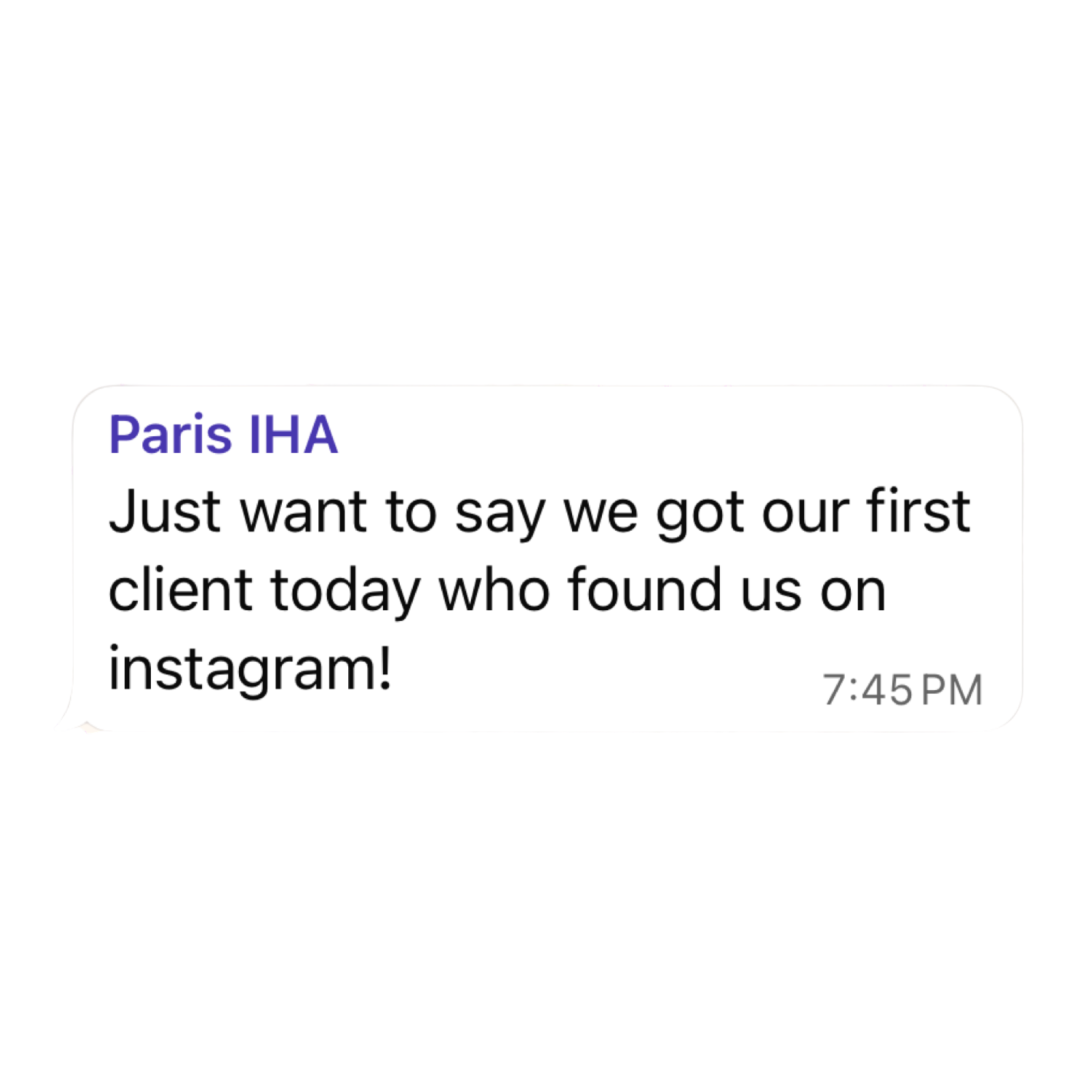
WE 🤍 OUR CLIENTS
And They Love Working With Us
Check out their custom branding

















REAL CLIENT SUCCESS STORIES
***
REAL CLIENT SUCCESS STORIES ***

The Passive Practice portfolio showcases the websites, brands, social campaigns, and content strategies we’ve built for therapists ready to grow their income and impact.
CASE STUDY 1. The therapist who did everything on the list and still could not leave her agency job
-
When she first got on a call with me, she had already done what she was told a private practice needs. She had put together a website herself, set up her Psychology Today profile, gone to the networking events, and posted on social media when she could. The calls still were not coming, the practice was not anywhere close to full enough to leave her agency job, and she had started to believe she was doing something wrong. She is a great therapist with a very specific type of client she loves working with, and nothing she had put online said that about her.
-
We did what I do with everyone, and I asked her who her favorite client is. You cannot tell me their name, obviously, but you can tell me what they are going through, and once she started talking about those two or three people, the one experience they shared was easy to hear. From there I went and researched how that person describes what is going on and what they actually type when they look for help, and I pulled her website, her Google Business Profile, and her keyword data to see what Google and AI could tell about her from everything she had already published. The answer was close to nothing. A site with no SEO and no pages that speak to a specific experience is not something Google can rank, and that was the piece left off the list she was given, so all of that work was sitting there unread.
-
We rebuilt her site around that one type of client, in the words that client actually searches rather than her clinical terms. She kept networking, except now she had a clear answer to “who do you work with” that matched what her website said. And she committed to writing one blog a month, each one answering a real question her clients ask her, in their words.
-
Today she gets one to four referrals a week from people who found her on their own. She left the agency job, she raised her fee, and she has a waitlist of the clients she actually wants. Four of her last five referrals came from AI, and one of them told her an AI assistant had said she would be a good fit.
-
Building the site, setting up the profile, and networking were not the wrong moves. They were the moves she was handed, with the one piece left out that lets Google and AI tell who you help. Her site now ranks for a narrower group of people than it could have, on purpose, because a page that speaks to one specific experience is the one that gets matched to the person searching for it. Her results are hers, in her market and at her fee, and the only thing I can promise you is the strategy I would use for your practice and what I have seen it do.
CASE STUDY 2. A therapist who had paid for a year of marketing and could not tell me what she got for it
-
When she got on a call with me, the first thing she said about the previous year was “I don’t really know what he did or didn’t do.” She had paid for marketing for a year, her business information had been spread across hundreds of directories online, she was not the admin on her own Google accounts, and nobody was calling. She was embarrassed about the money, she had given up on getting it back, and she told me the part that bothered her most was that it made it hard to trust anyone in marketing again, because people like that ruin it for the rest of us.
-
The first thing I did, before any strategy, was get her back into her own accounts, because you cannot fix what you do not have access to. Then we talked about her favorite clients and what she says to them in session, and I pulled up her Psychology Today profile, since that was where her inquiries were actually coming from, and read it the way one of those clients would. The profile was informational. It described services. There was no place in it where someone struggling would read a line and feel like she already understood them.
-
I rewrote her Psychology Today profile first, in her words and her ideal client’s, because people were already landing on it and the first two lines were doing nothing with them. The website came after, built on her brand voice, her ideal client research, and her keywords, with every account in her name and every piece of the work explained so she could see what was done and why. Then the SEO came last.
-
The profile rewrite brought in clients before the website was finished, and within two weeks of the new site going live it was bringing in inquiries on its own. Her site now ranks for 177 organic keywords, up 325 percent, with referring domains up 168 percent in less then a year.
-
I hear this story a lot, and it is the reason I set things up the way I do. Everything is in your name from day one, your domain, your website, your Google profile, all of it, so there is nothing to hand back at the end and nothing I could take with me. And you get the actual research, your brand voice guide, and your keywords as documents, so even if you never want to log into any of it, you can look at what we did and understand why it is working. My goal is really that you don’t need me, and if you do want to keep me around it is because you’d rather I handle it, not because you can’t.
CASE STUDY #3 A group practice that came for SEO and found where it was losing money first
-
The owner reached out asking for SEO. Her own schedule was full, the clinicians she had added were not filling, and after a year with a marketing company and a lot of money spent, her patients were still coming in the same way they always had, through word of mouth. To her it looked like more people needed to find the practice, and that is what she was ready to pay for.
-
SEO is the long game, and it takes longer to show results than almost anything else a practice can change, so before I went after a keyword I audited the whole practice. I looked at where people were finding them, what happened in the hours after someone reached out, how each clinician’s openings compared, what they were charging, and whether the money coming in matched the hours going out. In the first four weeks of reviewing their data we found more than the previous year had, including the places where inquiries were coming in and leaving before anyone booked a consult.
-
We fixed how inquiries get answered first, a personal reply within fifteen minutes, a call or text within the hour, and a consult on the calendar within a day, and we fixed the parts of the process that were costing them patients they had already paid to attract. The SEO came after that, built to send the right patients to a practice that could actually book them.
-
Every inquiry is tracked by where it came from and whether it booked, so the owner can open one page and see what is working instead of guessing. Inquiries get a personal reply the same day, and the consults that used to sit in an inbox are on the calendar within twenty-four hours. The clinicians who were sitting at half their capacity are filling with patients who found the practice on their own, the owner is no longer the only person in the building with a full schedule, and the practice is bringing in new patients every month that it did not have to buy with ads or wait for through word of mouth. The SEO is running on top of a process that books the people it brings in, so the next patients who find them are the ones the practice actually wants.
-
You should not have to explain to the person writing your website what a therapist can and cannot do, and you should not have to pick between a site that ranks and a site that sounds like you. The search work and the writing happen together, in your words and your ideal client’s, and nothing I build for a clinician depends on a review you were never allowed to ask for.
CASE STUDY #4 Twelve months of knowing exactly where every inquiry came from, for a therapist who did not believe SEO would fill her practice
-
She did not want SEO. What she wanted was a full practice of private-pay clients in her niche, and she said on our first call that her only real question was whether any of this would generate enough referrals to fill her schedule, because she had no way of knowing. Inquiries came in through a contact form and an email address, nobody asked where they found her, and at the end of a month she could tell you how many sessions she had done and not a single thing about where the new ones had come from.
-
Before I touched a keyword I set up the one thing she was missing, a way to see her own inquiries. Every form and every first reply now asks how the person found her, and every inquiry is logged with its source and whether it booked, so the question “is this working” has an answer she can open herself. Then we did the research into her favorite clients and how that person searches, and I pulled her site and her Google Business Profile to see what those searchers were landing on.
-
Once we could see where every inquiry was coming from, the plan got a lot simpler. The first few months of data showed that the people who found her through her Google Business Profile were booking at a much higher rate than the people coming through the directory, and that the networking she was spending hours a week on was sending her referrals outside her niche. So we stopped spreading her marketing across everything. The Google profile got the attention, her networking got narrowed to the two referral sources that were actually sending her the clients she wanted, and the monthly work became one blog answering a real question her clients ask plus one short note from me covering what changed that month, what it did, and what comes next, with the page linked so she can open it and see the work. SEO rewards consistency over intensity, so the plan was built to be the same size every month instead of a big push she could not keep up.
-
She can open one page and see every inquiry from the last year, where it came from, and whether it booked. The guessing is gone, and so is most of the marketing she was doing out of worry. She spends less time on it than she did before we started, her schedule is full of private-pay clients in her niche, and when a referral source slows down she sees it the same month instead of three months later when the calendar thins out. She told me the best part was not the new clients, it was finally knowing what was working, because that is what let her stop doing everything else.
The Google profile versus directory finding and the two referral sources are written as the kind of thing the tracking turns up. Swap in what it actually showed for her before this goes live.
-
You should never have to wonder whether what you are paying for is working. If I am running your SEO, the first thing that gets built is the tracking, so every month you can see what came in, where it came from, and whether it booked, in a note you can read in two minutes with the pages linked so you can check the work yourself.

PROVEN MARKETING TACTICS TO GROW YOUR PRACTICE
Learn what’s working for our clients with actionable advice & how-to’s straight from our founder’s desk.




From the courses that shaped my business to the tools that make content creation effortless, these are my go-to resources for building a thriving private practice.